



21/08/2026
Why Are More and More Vietnamese Choosing Australian Wine? – A Perspective from an Official-Channel Importer
Against the backdrop of a wine market undergoing strong transformation in Vietnam, the popularity of Australian wine has become a notable phenomenon. From being a newcomer of the New World Wine category, products from the land of kangaroos now hold a firm market share and are increasingly winning over both wine connoisseurs and mainstream consumers. From the perspective of a long-standing official-channel importer, this phenomenon is not a passing trend but an inevitable result of the product’s outstanding intrinsic values, its deep cultural compatibility, and its transparent supply chain.
Free-Spirited, Easy-Drinking Flavour – Winning Over the Vietnamese Palate
The first and most intuitive reason Australian wine wins the affection of Vietnamese consumers lies in its very flavour structure. Unlike many Old World wines, which often have heavy tannins, high acidity, and require the taster to have a certain baseline knowledge to appreciate, Australian wine carries an open and energetic style.
Thanks to inheriting the warm sunshine of an ideal continental climate, grapes in Australia reach perfect biological ripeness, creating wines that burst with fresh, ripe fruit flavours the moment the cap is opened. The tannins (astringency) of Australian wine are always handled to achieve a smooth, gentle quality, delivering a soft, pleasant finish. This characteristic makes Australian wine extremely friendly to the vast majority of Vietnamese, from those just setting foot on the journey of exploring the world of wine to ladies who prefer something light.
The Perfect Crossover That Elevates Local Cuisine
One of the biggest barriers to wine-appreciation culture in Vietnam is pairing this drink with heavily spiced traditional local dishes. Australian wine has brilliantly broken down that barrier thanks to a flavour structure that is rich yet miraculously balanced.
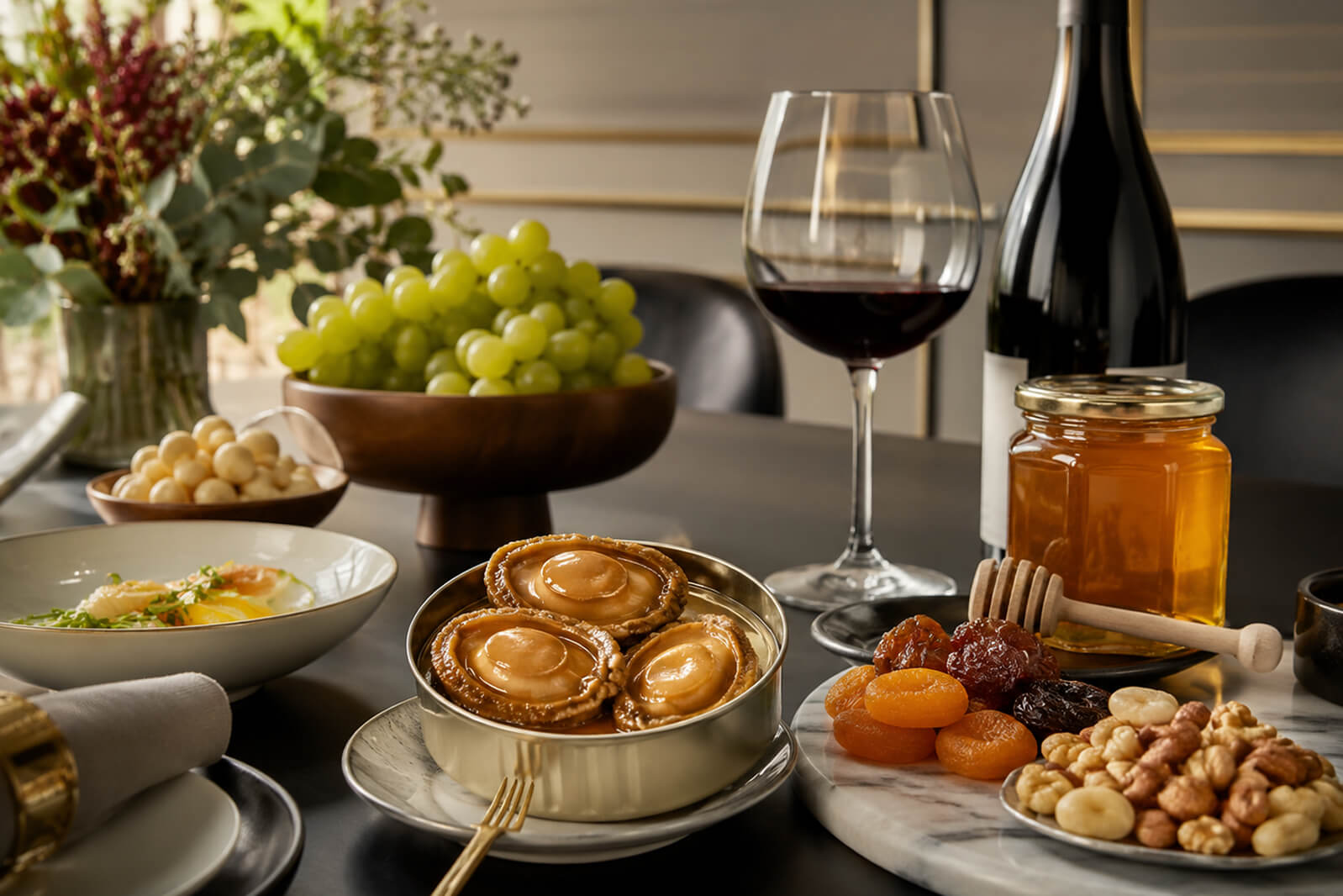
When placed next to Vietnamese dishes—extremely diverse, from rich grilled dishes with scallion oil and stir-fries fragrant with lemongrass and chilli to savoury clay-pot braises—Australian wine, especially the red Shiraz or Cabernet Sauvignon bottles, is not overpowered at all. On the contrary, the natural juiciness of the ripe fruit and a hint of the characteristic spicy warmth in Australian wine act as an ideal catalyst, helping to bring out the sweetness of the meat, balance the richness, and awaken the hidden layers of flavour in the dish, delivering a sublime and complete culinary experience.
The Economic Equation: Reasonable Pricing Alongside Consistent Quality
In a savvy consumer market like Vietnam, the ratio between price and actual quality (value-for-money) is always the decisive measure of customer loyalty to a brand. Australian wine is one of the few product lines that solves this equation most brilliantly.
Thanks to vast cultivation areas and the thorough application of modern science and technology to both growing and production processes, Australian winemakers have optimised operating costs to the maximum. As a result, Vietnamese consumers can easily own wines of extremely consistent quality and deep, complex flavour at a very reasonable price—far softer than bottles of equivalent quality from the long-established winemaking regions of Europe.
A Sustainable Supply and a Rigorous Quality-Control System
From an importer’s perspective, the appeal of Australian wine also comes from the absolute stability of its supply and the consistency of product quality across each vintage. The Australian government has an extremely tight body of wine law under the supervision of Wine Australia.
Every process—from the grape-growing region and harvest yield to the labelling of origin information—must undergo rigorous inspection before export. This helps importers in Vietnam stay proactive about their supply, avoiding supply-chain disruptions and resting fully assured that every bottle reaching the customer always maintains the producer’s peak form, without wavering due to the erratic weather of any given year.
The ultimate advantage from the official-import perspective: Choosing Australian wine through official-channel importers is a golden guarantee for the consumer’s experience. All products come with full certificates of origin (C/O) and quality (C/Q) and are shipped in specialised refrigerated containers (Reefer Containers) throughout the voyage from Australia to Vietnam. This rigorous temperature-controlled process protects the drops of “liquid gold” from the impact of high temperatures, ensuring the flavour particles are not denatured or degraded in quality—something that unregulated, tax-evading hand-carried sources simply cannot achieve.
Getting Ahead of Vietnamese Consumers’ Modern Trends
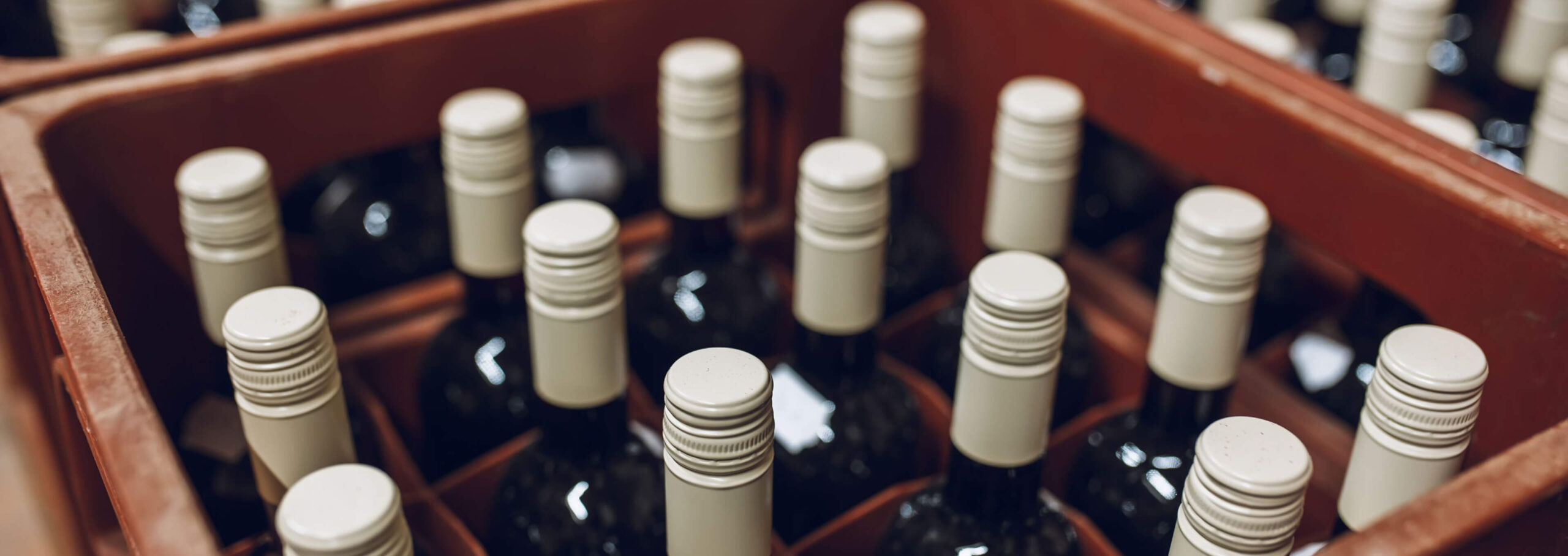
The Vietnamese market is witnessing the strong rise of a young generation of consumers—those who love free-spiritedness and convenience and who value real experiential worth over old, flashy symbols. Australian wine, with its modern winemaking thinking, youthful and eye-catching label designs, and pioneering application of the smart screw cap, has struck exactly this mindset. Enjoying a glass of wine has now become truly simple and convenient at picnics, cosy family gatherings, or intimate get-togethers with friends, without the need for corkscrew sets or cumbersome wine-pouring rituals.
Finally, the Place of Australian Wine in Vietnamese Hearts
It is no coincidence that Australian wine has achieved such an impressive, dominant position in the Vietnamese market. It is the perfect convergence of a free-spirited flavour that suits local tastes, a miraculous culinary-pairing ability, a price that meets real needs, and—above all—a commitment to sustainable quality from genuine winemakers. Choosing officially imported Australian wine is the savvy consumption solution, bringing absolute peace of mind and elevating every tasting space for Vietnamese wine lovers.
“Officially imported Australian wine: Transparency in origin, sublimity in flavour – the top choice for the modern Vietnamese lifestyle.”