



21/08/2026
A Guide to Properly Storing & Enjoying Australian Wine
Australian wine is world-renowned for its free-spirited, rich flavour, full of the character of sun-drenched lands. However, a fine bottle of wine can only display its full dance of flavours when cared for the right way. To avoid wasting the wine’s quintessential character, understanding the rules of storage and the art of appreciation is the first step of a true connoisseur.
Why Is Proper Wine Storage Necessary?
Wine is a “living entity,” continually transforming and maturing over time. If neglected in an unsuitable environment, wine will quickly oxidise, lose its characteristic aroma, change colour, and—worse still—turn into a harsh, vinegary sourness. Proper storage is how you “freeze” time, fully preserving every layer of aroma and protecting the value of the bottle.
How to Store Australian Wine Before Opening
1. The ideal storage temperature
Temperature is a make-or-break factor for wine. Each type of wine requires a different “cool threshold”:
Red wine: Ideally between 15°C and 18°C.
White wine: Needs to be cooler, maintained at 10°C–12°C.
Sweet wine / Moscato: Suited to a deeper chill, around 6°C–8°C.
Avoid sudden temperature changes: Erratic temperature swings cause the cork to expand and contract, letting air seep inside and ruining the wine’s structure.
2. Avoid direct light
UV rays from sunlight or strong fluorescent lights are the “enemy” that breaks down the organic compounds in wine, causing an unpleasant odour (the light-struck phenomenon). Always favour dark corners or a dedicated wine cabinet.
3. Lay the bottle horizontally
The golden rule for bottles with a cork (oak stopper) is to always lay them horizontally. This keeps the wine in contact with the cork, keeping it moist and evenly expanded, preventing oxygen from getting in.
4. Avoid vibration
Continuous vibrations (from an ordinary refrigerator, speakers, or foot traffic) disturb the tiny sediment particles in the wine, interrupting the natural maturing process and causing the wine to lose its smoothness.
How to Store Wine After Opening
Once the cork is pulled, the wine’s “hourglass” begins counting down. To extend the life of an unfinished bottle by another 3–5 days, you need to:
Reseal the cork tightly right after pouring, or use a vacuum pump to remove some of the air from the bottle.
Place the bottle upright in the refrigerator to slow the oxidation process.
Serving Temperatures for Australian Wine: Specific to Each Type
The flavour of Australian wine transforms wonderfully with temperature. Before drinking, chill the wine to its perfect “ripeness”:
Full red wines (such as Shiraz, Cabernet Sauvignon): 16°C–18°C (only lightly cooled).
White wines (such as Chardonnay, Sauvignon Blanc): 8°C–12°C (chilled on ice for about 20 minutes).
Sparkling wine / Moscato: 6°C–8°C (deeply chilled to preserve the bubbles and fresh taste).
How to Open and Pour Wine Properly
Opening the wine: Use a dedicated opener (a winged corkscrew or a waiter’s friend). Cut the foil around the neck neatly below the lip of the neck, screw the worm into the centre of the cork, and gently lever it up, avoiding breaking the cork or making a loud pop.
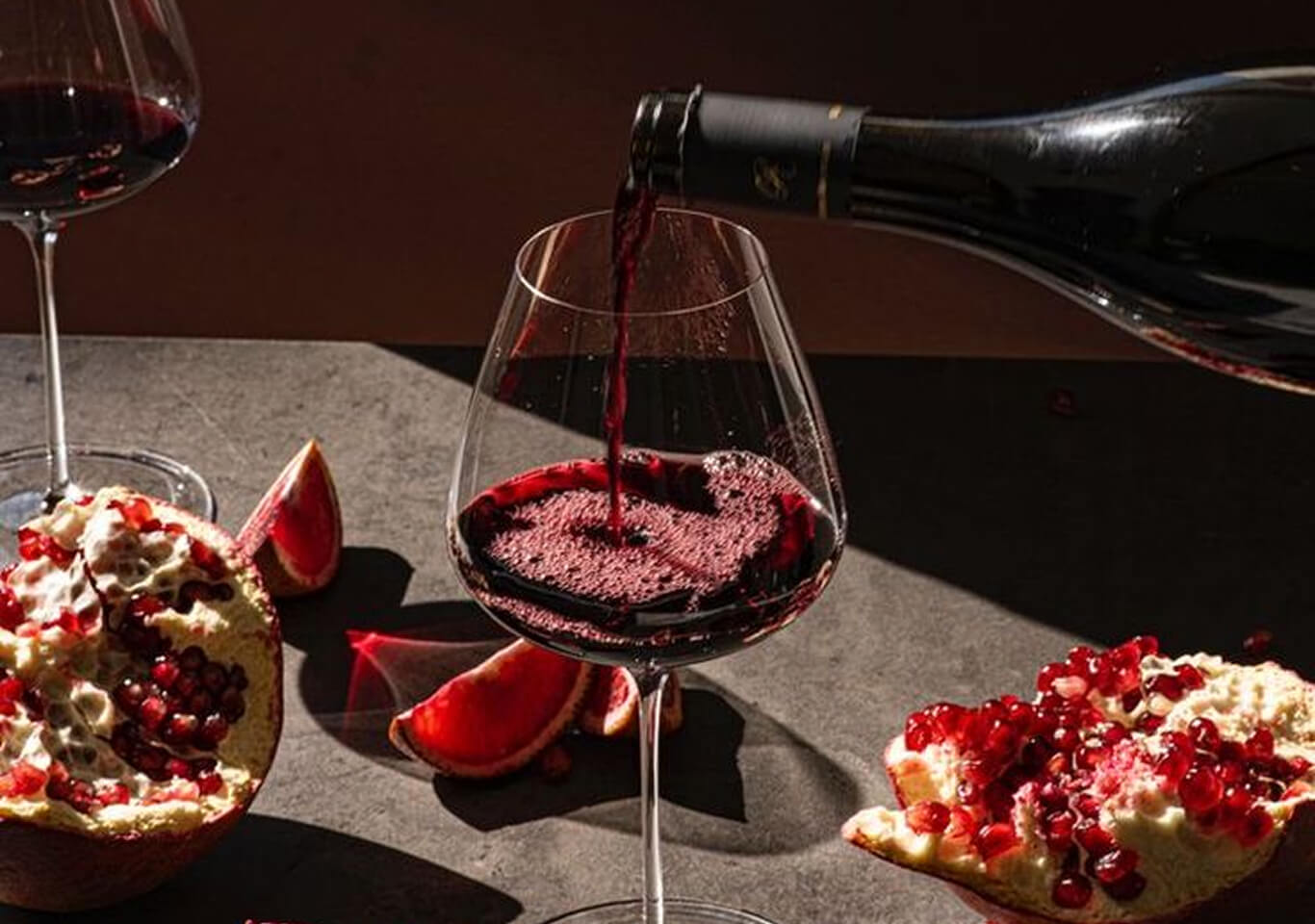
How to pour: Hold the lower body or base of the bottle and pour gently into the centre of the glass. Stop pouring by giving the neck a slight twist to lift the final drop upward, avoiding drips onto the tablecloth. Pour only about one-third of the glass for red and white wine to leave room for swirling.
Decanting – When Does Wine Need to “Breathe”?
Decanting is the act of transferring wine from the bottle into a glass vessel (a decanter) before drinking.
When it’s needed: It applies to rich, full-bodied Australian red wines (such as aged Shiraz).
The effect: Letting the wine “breathe” for about 30–60 minutes allows it to contact oxygen, smoothing out the still-rough tannins (astringency) while awakening the layers of fruit aroma that have been “sleeping.”
Choosing the Right Glass for Enjoyment
Red wine: Use a glass with a large bowl and a wide mouth (a Bordeaux or Burgundy glass) to increase the surface area in contact with the air, helping the aroma unfurl powerfully.
White wine: Use a glass with a smaller bowl and a slimmer shape to keep it cold longer and concentrate the pure aroma straight toward the nose.
Specific Food-Pairing Suggestions for Each Type of Wine
A free-spirited cuisine pairs very well with Australian wine:
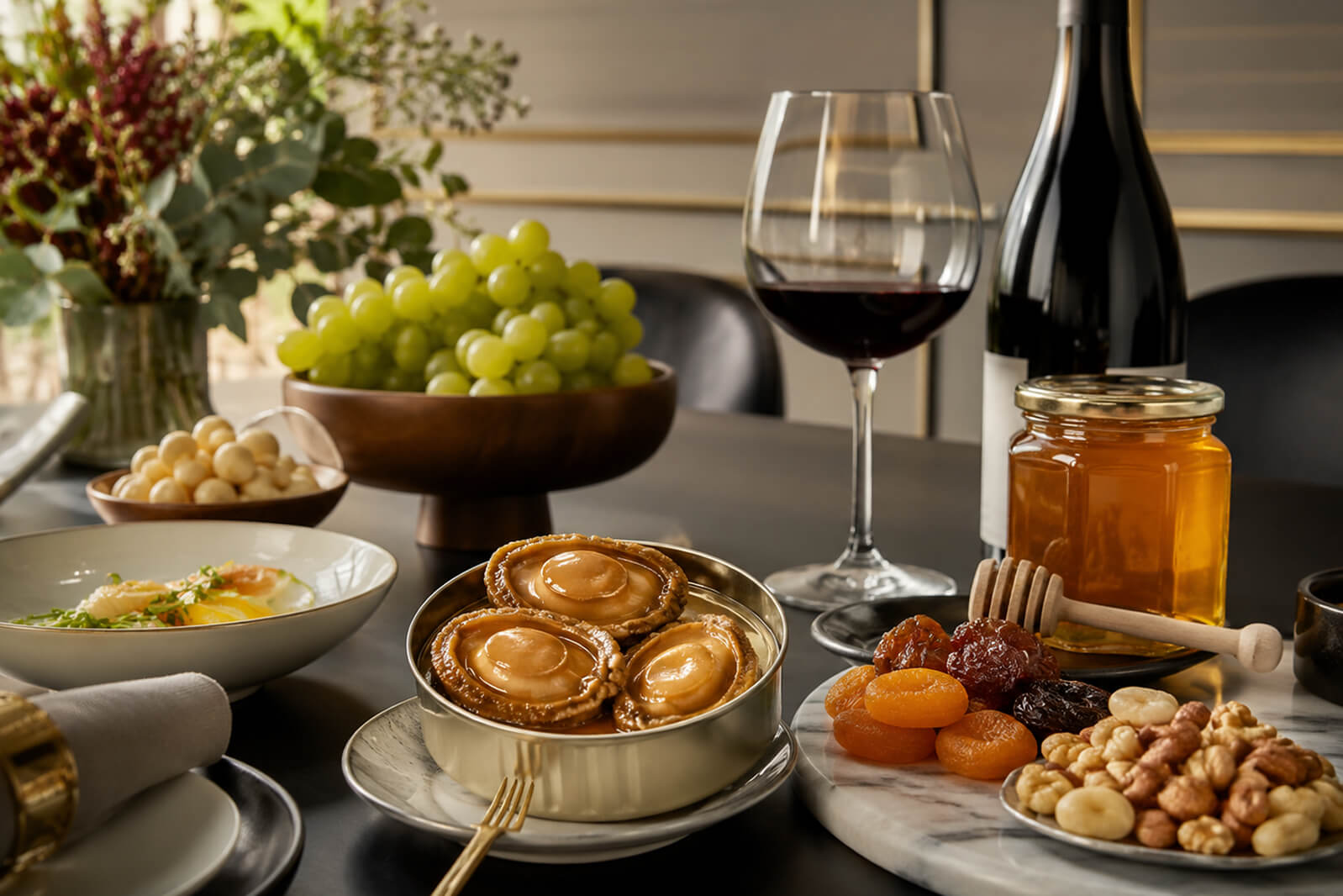
Shiraz/Cabernet Sauvignon red wine: A perfect match for richly flavoured red meats such as beef steak, BBQ-grilled lamb ribs, or pepper-sauced meat.
Chardonnay/Sauvignon Blanc white wine: Honours the deliciousness of fresh seafood, pan-seared salmon, roast chicken, or light-tasting salads.
Sweet wine / Moscato: A wonderful combination with desserts such as fruit tarts, macarons, or light, creamy cheeses.
Advice for Those New to Enjoying Australian Wine
Don’t feel too pressured by the rules. Start by observing the colour, gently swirling the glass to admire the “wine legs” clinging to the sides, taking a deep breath to sense the aroma, and finally taking a small sip, holding it in your mouth for a few seconds. Try many different Australian grape varieties to find your own “true love” flavour.
Awakening the Australian Character: The Beginning of the Connoisseur’s Journey
Enjoying wine is not simply drinking a flavoured beverage—it is how you savour a work of art woven from sun, wind, and the patience of Australia’s winemaking artisans. By cherishing the bottle from the storage step to the moment you raise your glass just right, you have opened, with your own hands, a world of the most sublime and complete taste experiences. Let every drop of Australian wine that touches your lips be a memorable story!