


21/08/2026
What Is Manuka Honey? Why It’s Considered Australia’s “Liquid Gold”
In the world of nutrition and natural medicine, few products are as sought-after and treasured as Manuka honey. Completely different from ordinary jars of honey, Australian Manuka honey is likened to a premium “miracle remedy,” a true “liquid gold” that gourmets and health-conscious people around the world always long to own. So what creates the wonder—and the steep price—of this honey?
What Is Manuka Honey?
Manuka honey is a special type of honey produced by honeybees that draw nectar from the flowers of the Manuka tree (Leptospermum scoparium). This is a native species with unique growth characteristics, growing only in the pristine ecological regions of Australia and New Zealand.
A singular texture and flavour. If you ever get the chance to admire and taste pure Manuka honey, you will immediately understand why it is so different:
- Colour: The honey has a deep amber colour, sometimes verging on dark brown, giving a sense of richness and luxury.
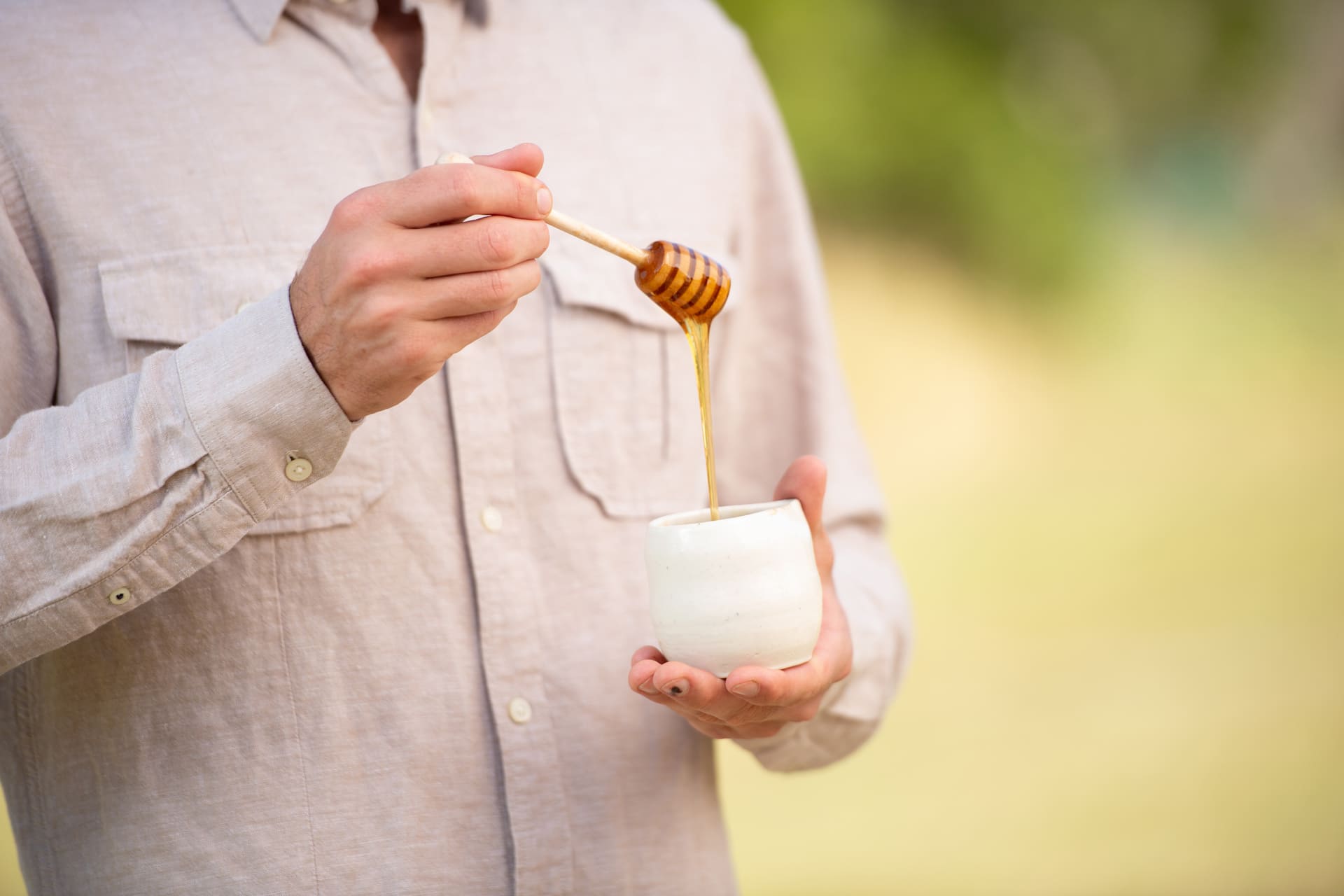
- Texture: Instead of being light and runny like ordinary honey, Manuka has a special gel-like consistency. It is thick and smooth, forming slow, dense flows when scooped up.
- Flavour: The aroma of Manuka honey is very strong, with a distinct wild-wood scent blended with a sweet, intense taste that carries a subtle, delicate hint of bitterness at the tip of the tongue.
What gives Manuka honey its global reputation lies not in its flavour but in its extremely powerful natural antibacterial activity. Scientific studies have shown that Manuka’s bacteria-killing ability is many times greater than that of ordinary honey, making it a natural antibiotic that cannot be replicated.
The Wild Origins and Rare Characteristics of the Manuka Tree
The value of Manuka honey is tied to the rarity and the harsh growing conditions of the tree that shares its name. The Manuka tree grows naturally in pristine mountain and forest areas, completely far from industrial smoke, dust, and human chemicals. In Australia, land with a distinctively dry, cool climate and clean, mineral-rich soil is the ideal “paradise” for the Manuka tree to accumulate its precious biological compounds.
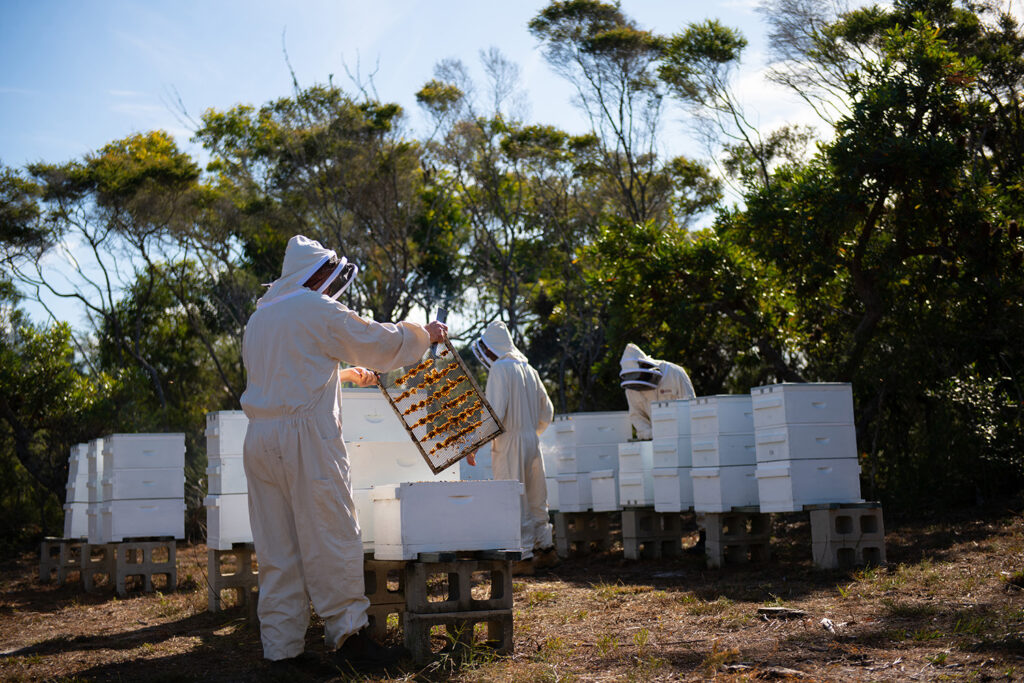
The core factor that makes Manuka honey a luxury product is time. The Manuka flower does not bloom year-round; it bursts into bloom only for an extremely short period, lasting from 2 to 6 weeks each year (usually in summer). This strict limit on yield makes every drop of harvested Manuka honey as precious as a piece of raw jade from the wilderness.
The Active Compound MGO – The “Golden Key” That Creates Its Medicinal Value
While other types of honey are antibacterial only through hydrogen peroxide (a property easily broken down by light and the body’s enzymes), Manuka possesses non-peroxide antibacterial activity thanks to the compound MGO (Methylglyoxal). This compound is extremely stable, undamaged by heat, light, or the digestive fluids in the human body. The remarkable ways MGO acts on health:
- Inhibiting and killing bacteria: MGO can penetrate the cell membrane of bacteria, disrupting their growth, and is effective even against some drug-resistant superbacteria.
- Supporting wound healing: Applied to the skin, it creates a moist, antibacterial environment, stimulates the regeneration of new tissue, and quickly soothes burns and ulcers.
- Strengthening the immune and digestive systems: Rich in antioxidants, it helps raise the body’s defensive barrier, while also killing the H. pylori bacteria that cause stomach ulcers and helping to balance the gut microbiome.
Decoding the International Manuka Quality Rating Systems
To pinpoint the exact value of each jar of honey, the honey industry has established rigorous international standard systems:
- The MGO (Methylglyoxal) rating: This shows the number of milligrams of Methylglyoxal in 1 kg of honey (for example: MGO 100+ for daily use to boost resistance; MGO 250+ to support digestion and sore throats; MGO 550+ as an intensive therapeutic level).
- The UMF (Unique Manuka Factor) rating: A more comprehensive evaluation system from New Zealand that tests for all three core indicator compounds: MGO (antibacterial strength), DHA (the precursor of MGO), and Leptosperin (the compound proving 100% pure Manuka nectar).
Why Is Manuka Honey Honoured as Australia’s “Liquid Gold”?
The term “Liquid Gold” is perfectly distilled from the real value of Australian Manuka honey, resting on these solid pillars:
| Criteria | Actual Value Creating the Title “Liquid Gold” |
| Rarity | Low output, completely dependent on wild nature and an extremely short blooming season during the year. |
| Nutritional Value | Dense, rich in MGO, essential minerals, and vibrant natural enzymes—far superior to regular honey. |
| Medical Applications | Powerful antibacterial properties, supporting the treatment of gastric and respiratory issues, and aiding comprehensive health recovery. |
| Economic Value | Highly sought after globally, priced tens of times higher than regular honey, generating significant export value. |
Conclusion: Manuka honey is not simply nature’s sweetness—it is a treasure crystallised from the strictness of the soil, the brevity of time, and the wonder of science. It is the perfect investment in your family’s health.