


04/08/2026
The Complete Guide: How to Use, Prepare, and Store Premium Canned Australian Abalone
THE COMPLETE GUIDE: HOW TO USE, PREPARE, AND STORE PREMIUM CANNED AUSTRALIAN ABALONE
Canned Australian abalone from the pristine waters of Tasmania is not just a luxury dish—it is the “secret” to bringing five-star-standard meals to your family right at home. The biggest plus of this product line is its optimal convenience, thanks to Australia’s modern steaming and sterilisation technology. However, to make the most of its precious nutritional value and transform it into delicious, authentic-tasting dishes, you need to understand the following rules for use and storage.
A Guide to Using Canned Australian Abalone Properly
The convenience of canned abalone lies in the fact that the product has already been fully cleaned and cooked. You can enjoy it flexibly in many different ways:
- Open the can the right way: Use a dedicated can opener gently. Avoid using too much force, which can dent the can or spill the rich sauce inside. This sauce is the very essence, containing many nutrients released from the abalone—it should never be thrown away.
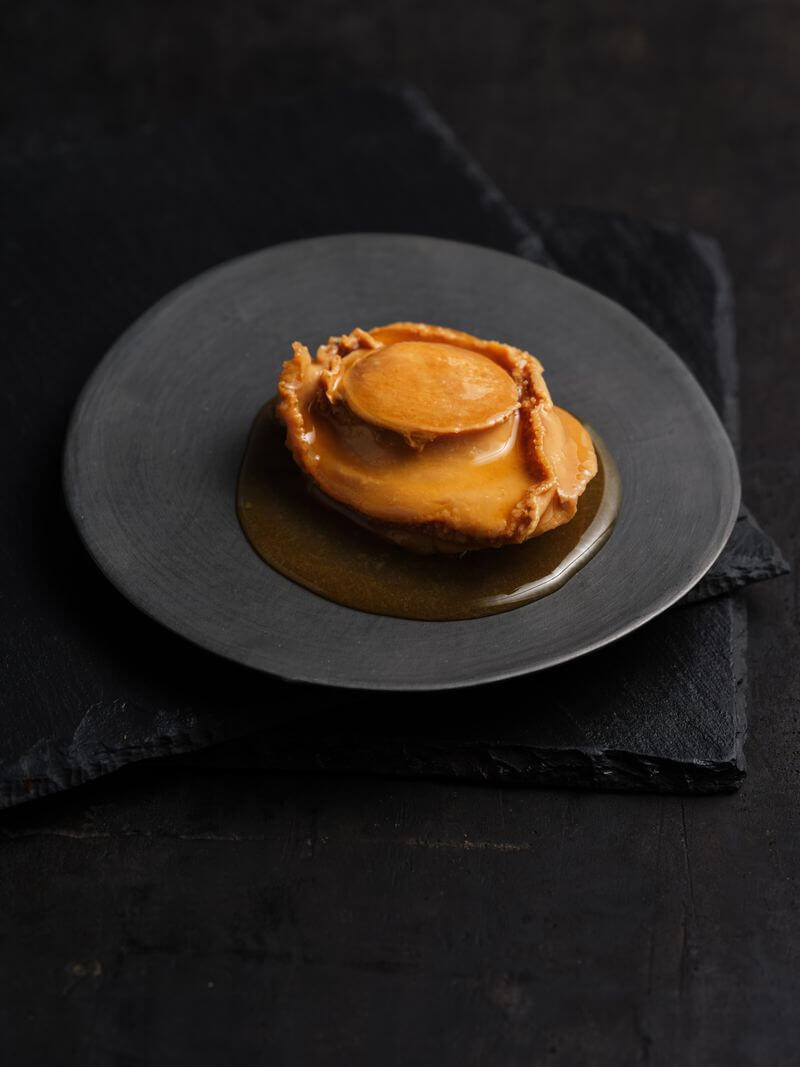
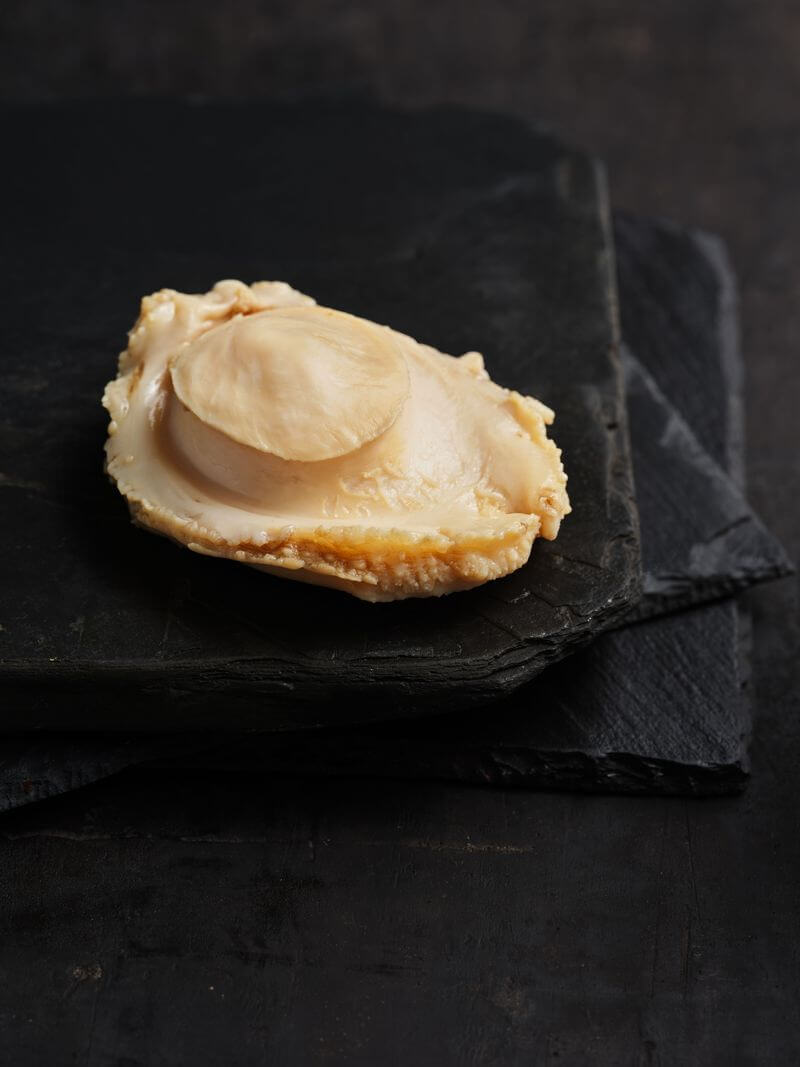
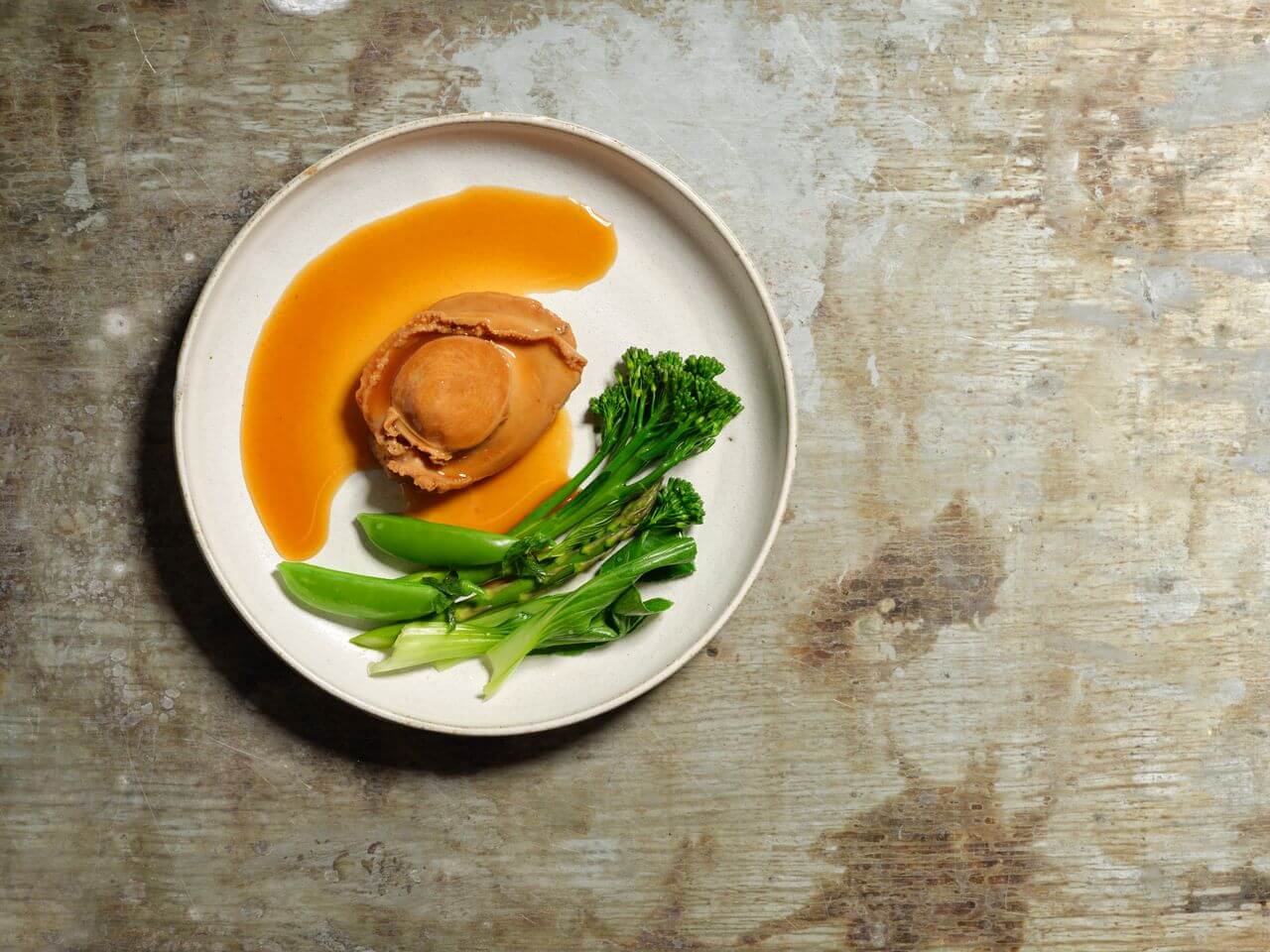
- Plate the dish: Depending on your menu, you can leave the abalone whole to add elegance to the plate, or cut it into bite-sized thin slices for stir-fries and salads.
- Eat it directly: Because it has been sterilised under high pressure, you can eat it right after opening. This way lets you fully appreciate the original clean sweetness and the satisfying crisp bite of Tasmanian abalone.
- Combine it in many ways: Canned abalone is extremely “friendly,” easily combining with many other ingredients to cook congee, make soup, stir-fry with vegetables, serve with noodles, or mix into premium rice dishes.
Golden Tips When Cooking So You Don’t Lose Nutrients
Although it is very easy to prepare, abalone is a type of seafood sensitive to heat. For the most perfect dish, keep these three notes in mind:
- Don’t cook it too long: Canned abalone is already cooked. If you braise or stir-fry it too long over high heat, the abalone flesh will become chewy, shrink, and lose its natural sweetness.
- The right time to add it to the pot: For dishes like congee, soup, or nourishing broths, you should only add the abalone in the final 3 to 5 minutes before turning off the heat. This time is enough for the abalone to heat through evenly and blend its flavour with the other ingredients while still keeping its perfect tender-crisp texture.
- Make the most of the sauce in the can: Use this sauce to season directly into the congee, soup, or broth pot, or as a base for oyster-sauce and mushroom-sauce dishes. The rich sweetness of the abalone sauce will make the dish many times tastier without needing MSG or chemical seasoning powder.
How to Store Canned Abalone to Keep It Perfectly Fresh
The process of storing canned abalone is divided into two distinct stages: before and after opening.
- Before opening: Thanks to Australia’s freshness-locking canning technology, you only need to store the can of abalone in a dry, cool, well-ventilated place, away from direct sunlight. You can keep it in a kitchen cabinet or an ordinary cool cupboard, with a shelf life lasting several years (according to the expiry date printed on the packaging).
- After opening but not fully used:
-
- Never leave the abalone in the opened tin can and put it in the refrigerator, because air getting in can oxidise the can, affecting the quality of the flesh.
- The solution: Transfer the abalone and any remaining sauce into a glass or heat-resistant plastic container with a tightly sealing lid (a dedicated food-storage container). Store it in the refrigerator and use it all within 2–3 days. If you want to keep it longer, you can freeze it in the freezer, but remember to thaw it naturally in the refrigerator before cooking it next time.
Suggestions for Easy, Restaurant-Standard Dishes at Home
With just one can of Australian abalone, you can prepare class-act dishes with your own hands to treat partners or to nourish your loved ones:
- Abalone, sea cucumber, and red date soup: Bring chicken stock to a boil, add red dates, shiitake mushrooms, and sea cucumber, and simmer until tender. Finally, add the sliced abalone and the sauce from the can, plus a little tapioca starch to create a thick consistency. This dish is a “golden therapy” for rapid physical recovery.
- Nourishing abalone congee: Simmer rice until very soft with bone broth. When the congee is just cooked, pour in the abalone sauce and stir well. Add the whole abalone and cook for another 3 minutes, ladle it into a bowl, and sprinkle on a little spring onion and ground pepper. This is an ideal dish for the elderly and young children.
- Abalone with oyster sauce and bok choy: Blanch the bok choy and arrange it on a plate. Heat a pan, add oyster sauce, a little sugar, and the abalone sauce, and bring to a boil; add the abalone and quickly toss for 2 minutes. Drizzle this piping-hot sauce mixture over the plate of bok choy to enjoy a rich, luxurious flavour.
Useful Expert Advice When Enjoying Abalone
To get the highest health benefits from abalone, you should note:
- Frequency of use: Although abalone is extremely nutritious, you shouldn’t eat too much at once, to avoid overloading the digestive system with a sudden large intake of protein. Using it 1–2 times a week is the most ideal frequency.
- Who it’s for: This dish is especially good for those recovering from illness, the frail elderly, and women after childbirth. However, those with severe gout or who are experiencing diarrhoea should limit their intake.
- Choose official-channel products: Always buy canned Australian abalone from official-channel importers to ensure the product has a clear expiry date, intact packaging, and quality that is 100% inspected from Tasmania.
Canned Australian abalone is a smart investment in your health and elevates your family’s culinary experience. Convenient, nutritious, and easy to prepare—this product deserves a place in the kitchen of every modern family.
Related articles
04/08/2026